Storage and Well-Being at Home: What a 2026 Survey of Swiss Households Reveals
Entrance, dressing room, pantry, basement, children's rooms: the figures of a 2026 survey of Swiss households, read by an interior architect, with custom storage solutions.
 Renata Koglin · RK Interiors
· 6 min read
Shoes off, keys down, a deep breath: coming home is a small ritual. But a home only truly feels good when everything has its place. That is what a 2026 survey of 2,410 people in Switzerland confirms. We read it through the eyes of interior architects: here is what the figures reveal, room by room, and how well-designed storage can respond.
Order is a matter of well-being
For two thirds of respondents (66%), they only feel comfortable at home when everything is tidy and nothing is lying around. And it is not wishful thinking: 63% say their home actually is tidy day to day. In Switzerland, order is not an unattainable ideal but a way of life.
We see the same in our projects. A cluttered interior constantly draws the eye, while a clear space calms. In our neuroarchitecture-based approach, storage is therefore not a technical detail: it is part of what makes a home restful.
Room by room: what the figures say and how to respond
The entrance, a buffer between outside and inside
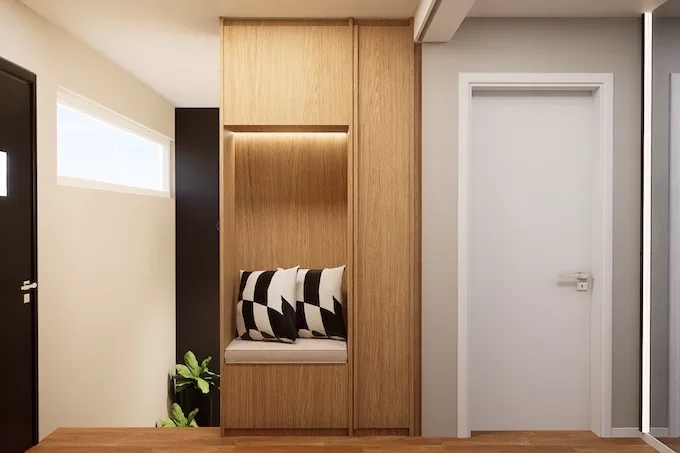
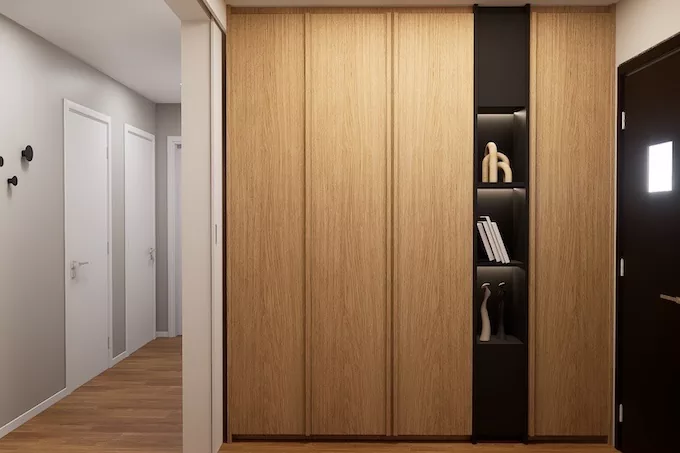
92% of people start by taking off their shoes when they come home, and nearly one in two changes clothes, mostly for comfort. The entrance is far more than a passage: it is where you set the day down. It deserves real design, with a bench to take shoes off, shoes stored behind doors, a wardrobe for coats, a tray for keys and, where space allows, a charging point for phones.
The dressing room and the “clothes chair”
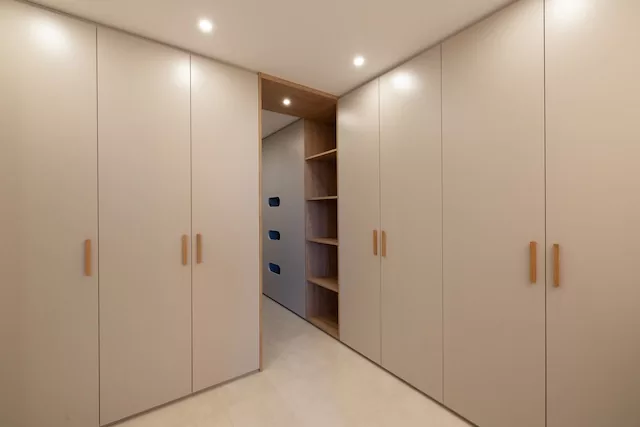
58% of people put clothes they have already worn but will wear again on a chair or armchair, with three to four items on it on average. Only 11% put them straight back in the wardrobe. Rather than fighting this habit, we plan for it: an open, ventilated zone in the dressing room, a valet stand or a few well-placed hooks, and the chair disappears by itself. In Chardonne, our Rouge project brings together a custom dressing room, jewellery drawers and a laundry room in one ensemble.
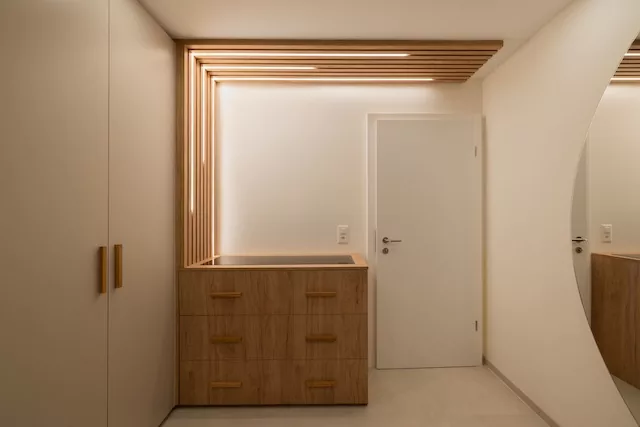
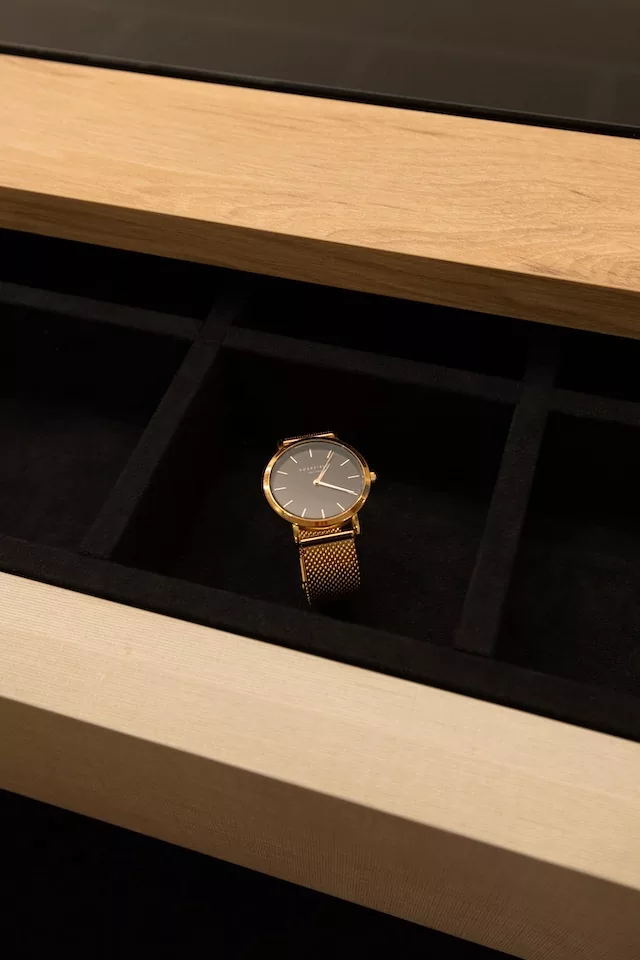
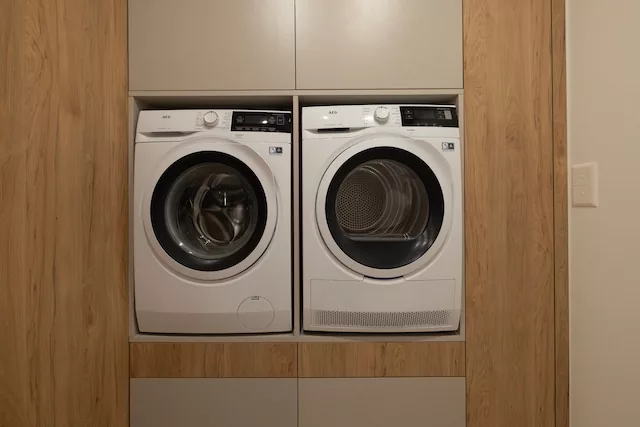
The kitchen and the pantry
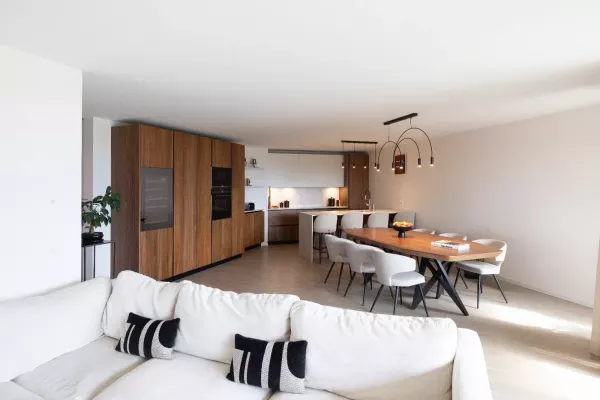
The kitchen is the best-organised room: in 86% of households almost every item has its place there, compared with 76% in the living room. The weak spot is the pantry. Only one person in two (51%) knows exactly what is in it, falling to 44% in families. The answer is simple: see everything at a glance. Pull-out pantry columns, shallow shelves, matching jars and interior lighting prevent duplicates and waste. Waste sorting matters too: two thirds of people have an organised system, and among renters it most often happens in the kitchen. Built-in sorting under the sink or in a dedicated column changes daily life.
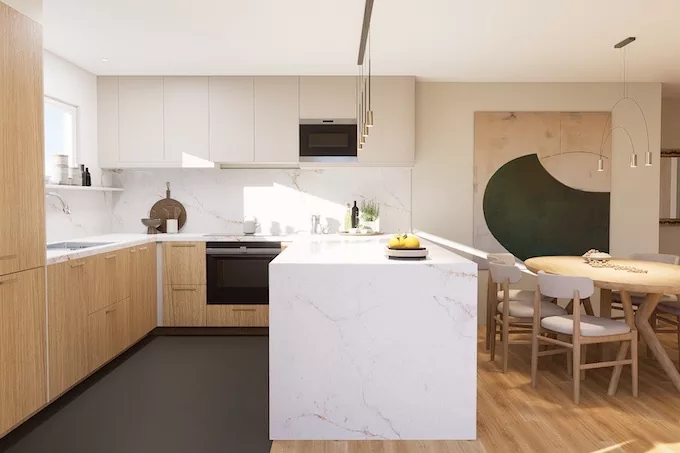
Renata Koglin introduces RK Interiors and her way of designing homes where everything finds its place.
The junk drawer
Three people in four have at least one junk drawer, and more than a third have several. It mostly holds cables, chargers and batteries (60%), then office supplies (41%). This drawer is useful; it simply needs a framework. Dividers, a spot near the entrance or the desk and a built-in socket for charging devices turn it into a real service station.
Basement, attic and wardrobes: invisible storage
Clutter hides where nobody sees it. The basement is the hardest room to keep tidy (29%), ahead of the storage room (21%). That is where 70% of people keep items they rarely use. And there are plenty of them: 79% keep seasonal things such as skis or Christmas decorations, 74% keepsakes and 71% things kept “just in case”. Wardrobes are no exception: 52% admit keeping things there they almost never use. And while 55% plan to sort out their basement every year, only 38% actually do.
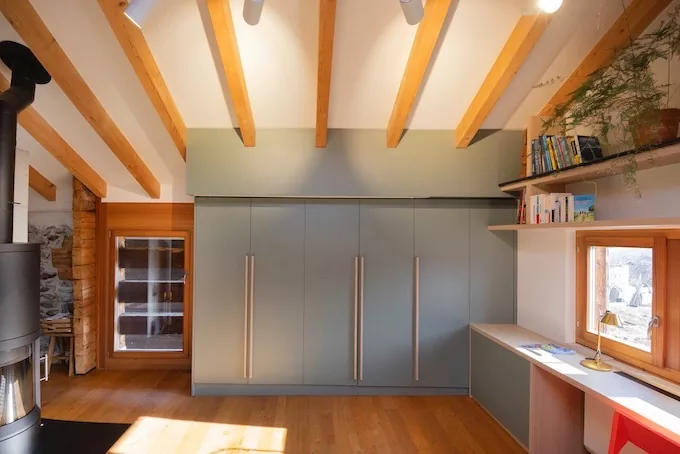
Our rule: store by frequency of use. Everyday items within reach, occasional ones up high or under a bench, seasonal ones in the basement or a converted attic, with sturdy shelving and labelled boxes. Lost volumes under a staircase, beneath a sloping roof or in a niche often become the best storage in the house.
Children’s rooms: let them play, then tidy easily
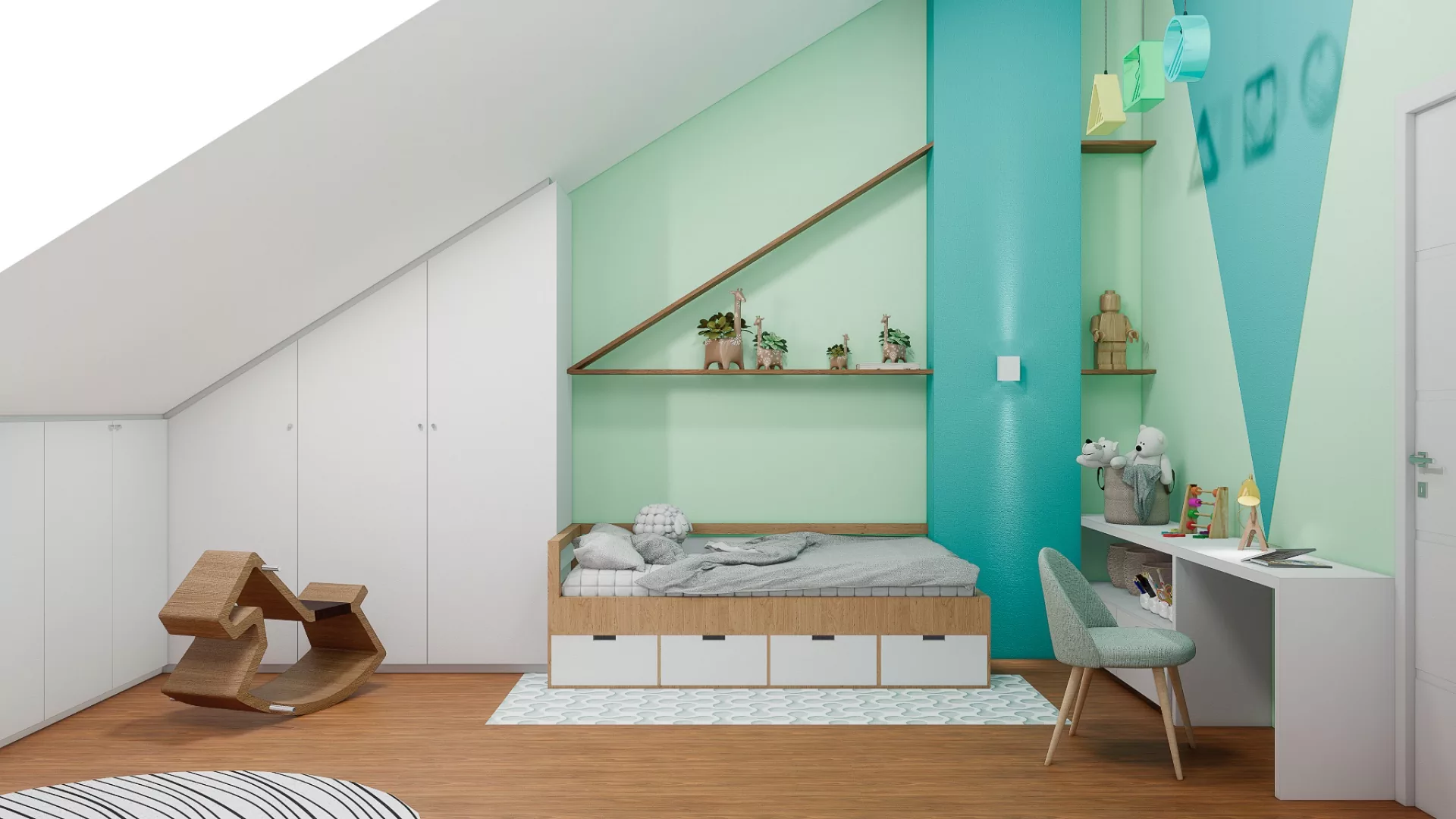
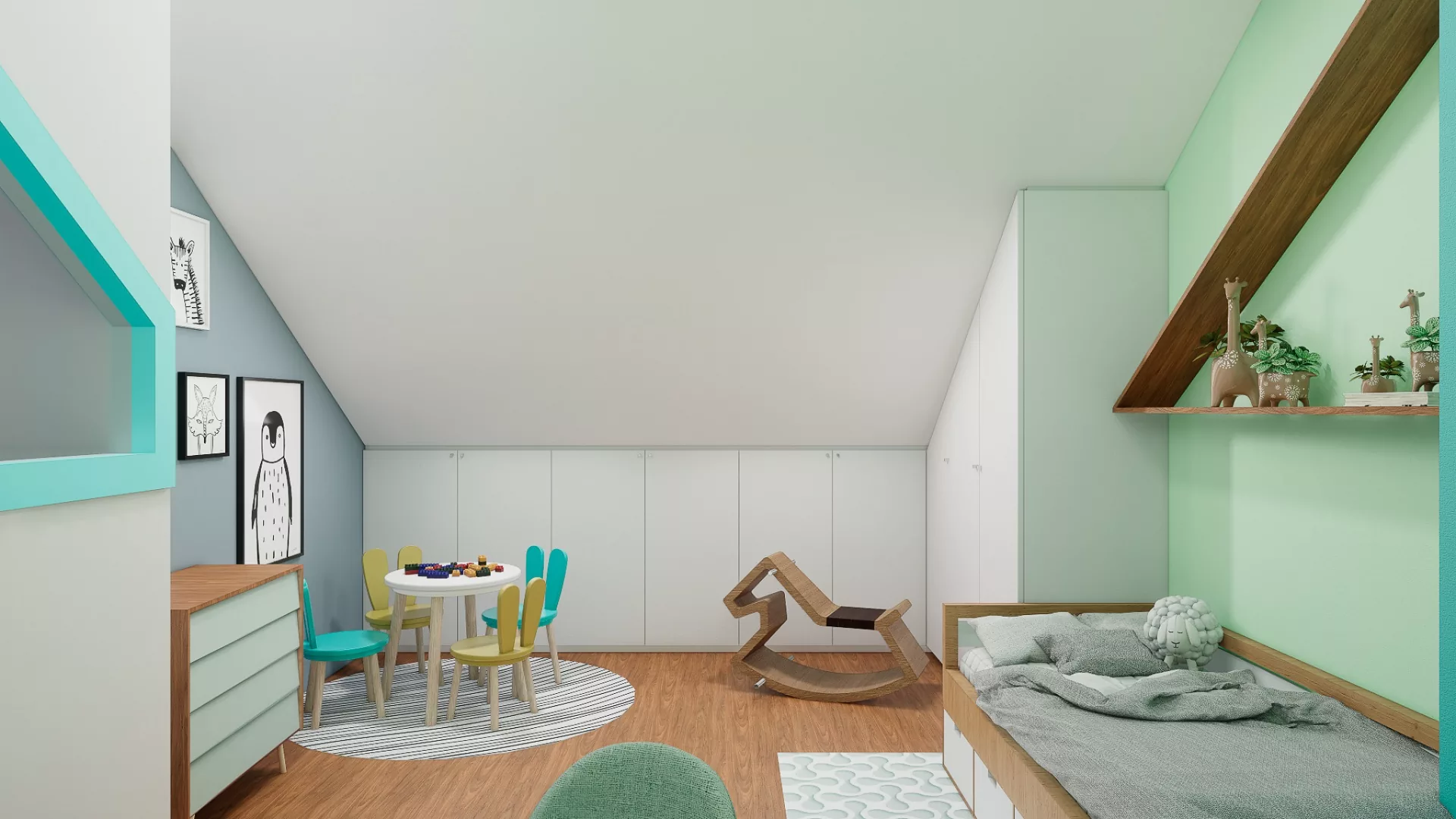
With young children, order takes a back seat: in nearly two thirds of families with children under 7, the home is often messy. Between 7 and 13, nearly three families in four argue at least once a week about toys left lying around. The good news: as children grow older, calm returns. In the meantime, storage should be at their height: low bins and drawers they can open themselves, chests that double as seating, a defined play corner in the living room and furniture that grows with them. That is the spirit of our La Vaux project in Etoy, two children’s rooms created in the attic.
Tidying together without arguing
Order is the number one source of disagreement in Swiss households: for half of people it causes tension at least once a month. Expectations often differ from one family member to another. Design can ease these frictions: a clear system everyone understands, closed storage in shared rooms, and for each person a space of their own where their own order rules.
Good storage takes no effort: it makes the right gesture easier than the wrong one.
Our method for storage that lasts
- Observe your habits before drawing anything: what lies around, where and why.
- Store by frequency of use, from everyday to seasonal.
- Use every volume with custom furniture: niches, sloping ceilings, under the stairs, full ceiling height.
- Balance closed and open: close away what clutters the eye, display what brings joy.
- Light your storage so you can see and find things without searching.
Frequently asked questions
How much does a custom dressing room or storage cost?
It depends on dimensions, materials and interior fittings. To get an idea of our fees, get an online estimate in two minutes, or read how much an interior design project costs in Switzerland.
Can storage be improved without renovation work?
Often, yes. Reorganising rooms, choosing better-suited furniture and rethinking where things go is sometimes enough to transform daily life. Our interior decoration service can focus on exactly that.
How can I optimise storage in a small bedroom?
Use the full height to the ceiling, choose a bed with drawers or a storage base, prefer sliding doors and a wall-mounted desk. In Lausanne, our Petit Chêne project shows what can be done in a 20 m² studio.
Do you take on a single space, such as a dressing room or laundry room?
Yes. A dressing room, an entrance, a laundry room or a child’s bedroom can be a project in its own right, as in Chardonne with the Rouge project.
Source: survey of 2,410 people living in Switzerland, from 13 to 30 April 2026. Rounded figures.
Would you like a home where everything has its place? Discover our interior architecture service or tell us about your project.