
What is neurodesign in interior architecture?
Neurodesign applies principles from neuroscience to interior architecture to create spaces that support emotional balance, focus and lower stress. Light, materials, colours, forms and the presence of nature are chosen for their effect on people. RK Interiors is among the pioneers of this approach in Switzerland, for homes as well as workplaces.
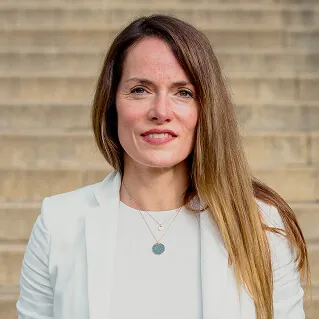 Renata Koglin · Interior architect, founder of RK Interiors
Updated on
We spend most of our time indoors, and our surroundings influence our mood, our sleep and our ability to concentrate. Neurodesign, also called neuroarchitecture, starts from this observation: it draws on neuroscience to design places that do good to the people who live or work in them.
What the research shows
- Work by Roger Ulrich (2008) showed that patients with a view of greenery felt less pain and had shorter hospital stays.
- Juan Luis Higuera-Trujillo, of the Universitat Politècnica de València, observed that positive environmental stimuli reduced children’s stress in waiting rooms.
- The work of Stephen Kellert and Edward O. Wilson on our bond with the living world shaped biophilic design, a close relative of neurodesign.
How we apply it
In practice, neurodesign guides our choices of lighting, natural materials, colours, textures and room organisation. In Lausanne, the Grancy apartment was designed around well-being, with circadian lighting and a strong presence of nature. In a professional setting, the Le Voyageur Office project applies neurodesign to well-being at work. The same principles can shape a home, an office, a restaurant or a shop, always adapted to the people who use the space and to what they do there each day.
Key takeaways
- Neurodesign applies neuroscience to the design of interior spaces.
- Light, natural materials and visible nature are among the levers studied by research.
- RK Interiors, a pioneer of this approach in Switzerland, uses it in homes and offices alike.
Planning a project?
Tell us about your property, your timeline and your budget. Renata replies within 24 business hours.