Moving to Geneva or Lausanne: how to furnish your new home
Bare ceiling wires, a fitted kitchen, a 3.5-room flat to fill: a practical guide to designing and furnishing your new home in Geneva or Lausanne, rented or bought.
 Renata Koglin · RK Interiors
· 6 min read
The lease is signed, the removal date is booked and the children have started asking about their new bedrooms. Then comes the part nobody briefs you on: turning an empty Swiss flat into a place that feels like yours. Many of the families we work with in Geneva and Lausanne are expats who arrived with a few suitcases, a container still at sea and very little time. This guide covers what we have learned helping them settle in, from the first viewing to the first evening at home.
Before you sign: read the flat, not the listing
Swiss listings describe homes by number of rooms. A “3.5-room” flat usually means a living room and two bedrooms, which tells you little about how the space will actually work. Ask for a floor plan with dimensions.
At the viewing, check what often surprises new arrivals:
- Ceiling lights. Rented flats are often handed over with no light fittings at all, only wires coming out of the ceiling. Count them room by room: each one needs a fitting, and somebody to install it.
- The kitchen. In rented flats it usually comes with built-in appliances. Note what is there before you ship or buy any.
- Laundry. Many buildings have a shared laundry room with a schedule. With young children or irregular hours, ask how the slots work.
- The cellar. A cellar compartment is often included. Ask to see it: it changes how much storage you need upstairs.
- Access. Measure the lift, the stairwell and the doors. A sofa that will not go round the landing is a classic first-week problem in older buildings.
The first weeks: what to buy now, what to wait for
The temptation is to furnish everything in one weekend. We usually advise the opposite: cover the essentials quickly, then live in the flat for a few weeks before committing to the larger pieces. You will learn where the morning light falls and which room becomes the real living room.
Buy now
- Good mattresses and bedding. Sleep comes first, especially with jet lag and a new job.
- A fitting for every ceiling outlet you need, plus a few table lamps for warmer evening light.
- Curtains or blinds for the bedrooms.
- A dining table and chairs, even provisional ones, so that meals happen at a table.
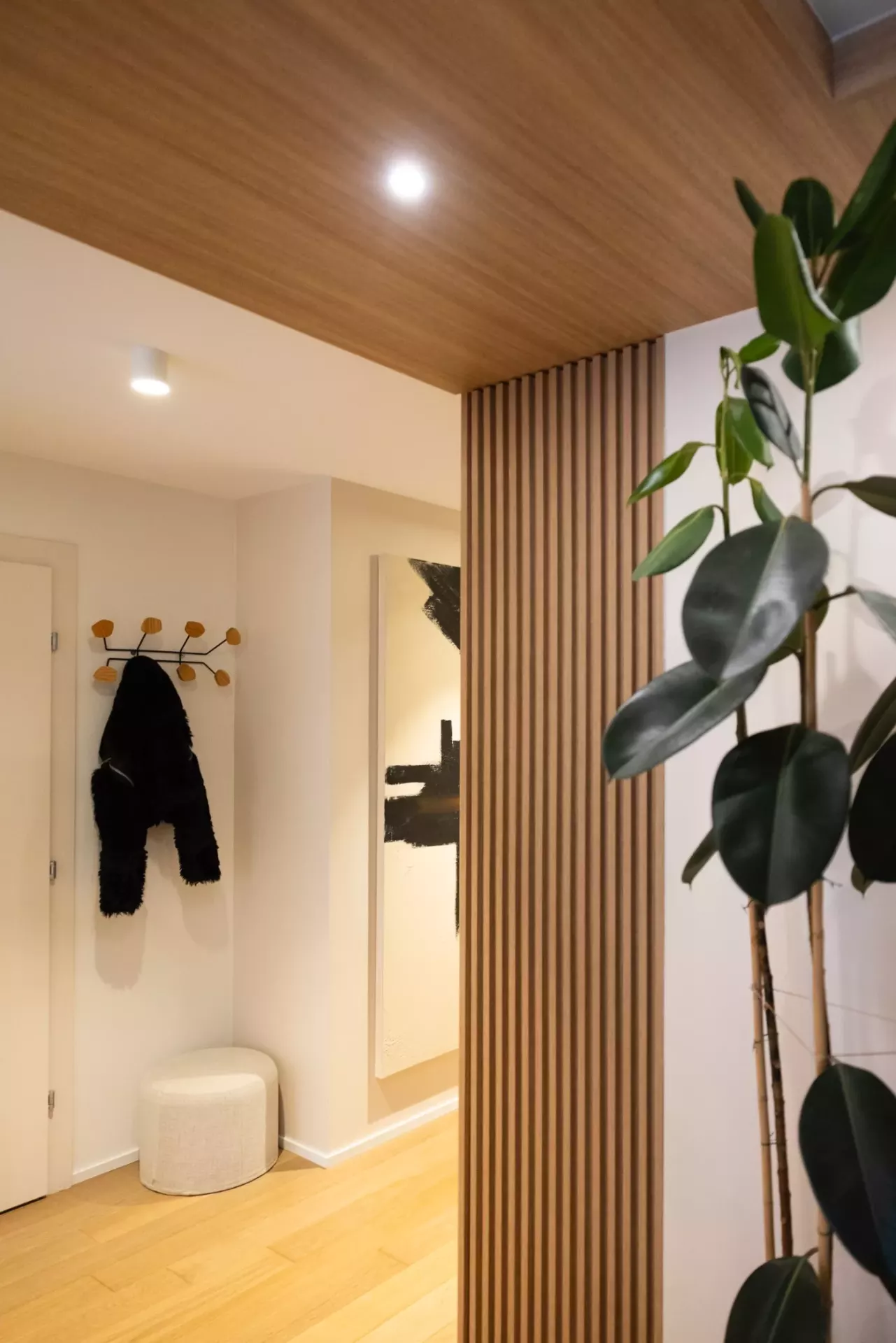
- Somewhere for coats, shoes and keys by the front door.
Wait for
- The sofa, until you know how the living room is used.
- Rugs and art, until the furniture is in place.
- Anything built in, until you know how long you will stay.
Rented or bought: two different strategies
If you rent, put your money into what moves with you: lamps you can unplug, good freestanding furniture, rugs, textiles and art. Painting, drilling lots of holes or changing fixtures all need the landlord’s written consent, and you may have to put things back when you leave. We explain how to make a rental your own without risking the deposit in our guide to personalising a rented flat.
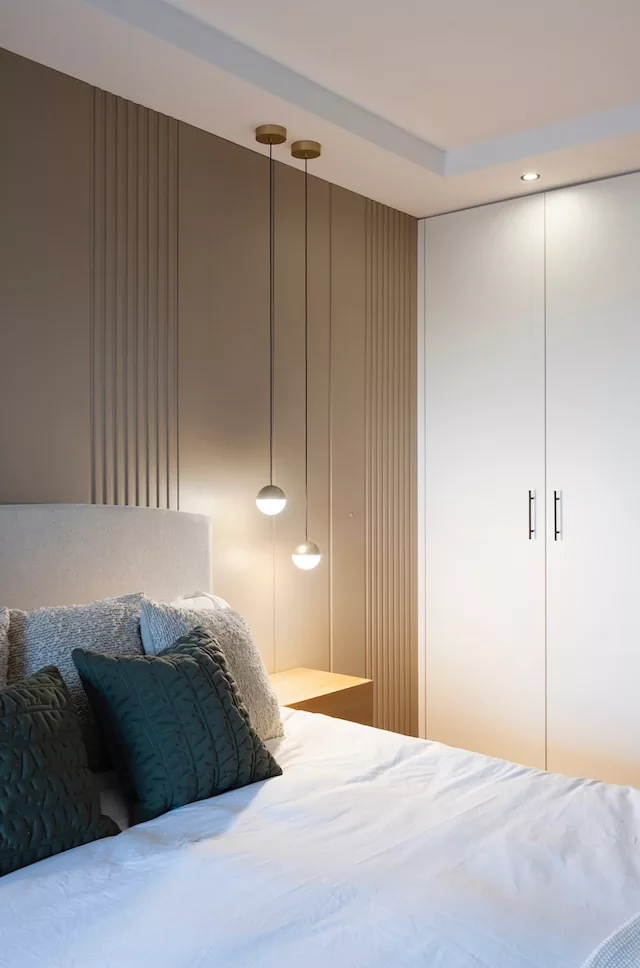
If you buy, the logic changes. This is the time to plan lighting circuits, wardrobes and a kitchen that suits the way you cook, ideally before you move in. Our custom furniture service designs storage that fits the walls to the centimetre.
How an interior designer helps when you arrive
Most expats we meet are short of two things: time and local knowledge. They do not yet know which suppliers deliver on schedule, how long made-to-measure curtains take or who can hang a heavy mirror properly. That is where a decorator earns their fee.
- One contact. One person, speaking your language, who deals with suppliers, deliveries and fitters for you.
- 3D before buying. We draw the flat and show you the furniture in place, so you decide on screen rather than in a showroom.
- Sourcing. Pieces chosen for the space, the budget and the timing, with delivery dates checked before you order.
- Coordination. Deliveries, assembly, curtains and light fittings scheduled in a sensible order rather than piece by piece.
Much of this can start before you land: send us the floor plan and photos, and the main pieces can be chosen while you are still packing. See how our interior decoration service works for new arrivals in Geneva and Lausanne.
A new country is easier to face when your own front door opens onto something familiar.
Renata Koglin introduces RK Interiors and how the studio helps families feel at home, wherever they have come from.
Furniture that will move with you
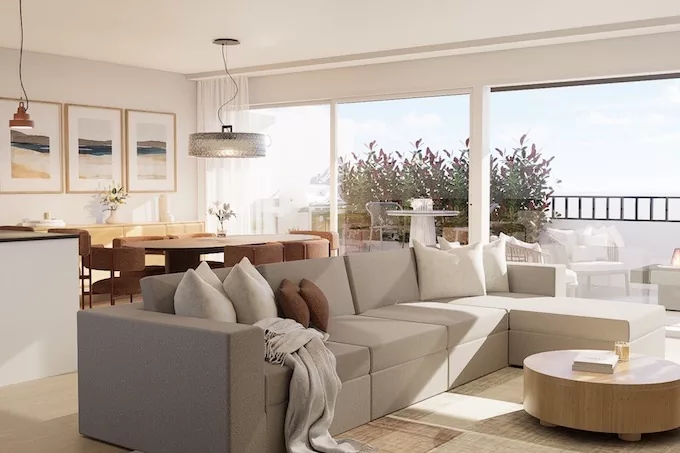
Many postings last a few years. Choose pieces that will work in the next home as well: a modular sofa rather than one cut to fit an alcove, freestanding shelving rather than units fixed to one wall, an extending table, rugs in standard sizes. Well-made furniture survives a removal; the cheapest flat-pack rarely survives two.
Storage
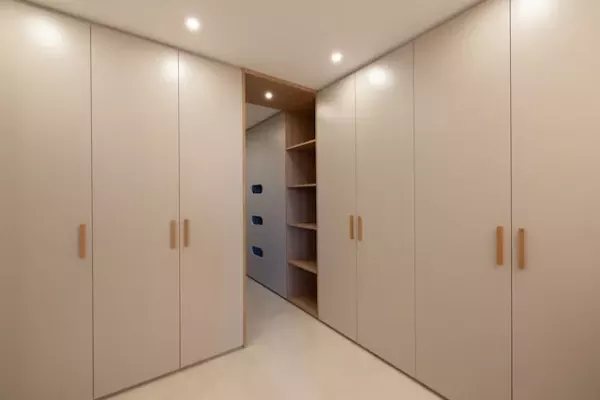
Check how much built-in storage the flat really has, then plan room by room: a proper unit for coats and shoes at the entrance, enough wardrobe space in each bedroom, the cellar for suitcases and ski kit. If you own, our article on custom wardrobes shows what fitted storage can do.
Home office
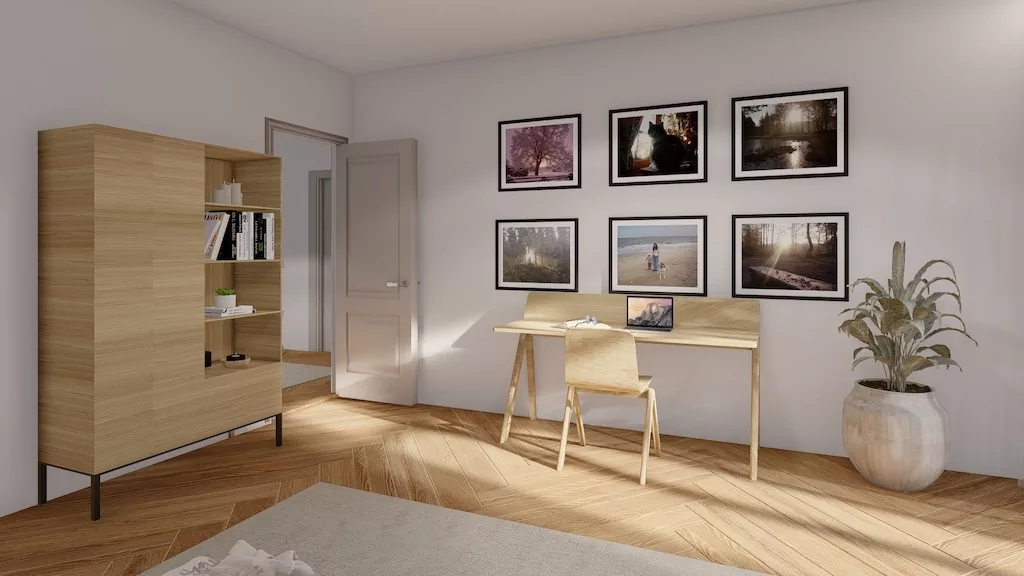
If one of you works from home, give the desk a real place: near a window, out of the bedroom if you can, with a good lamp for dark winter afternoons. More ideas in our home office guide.
Children’s rooms
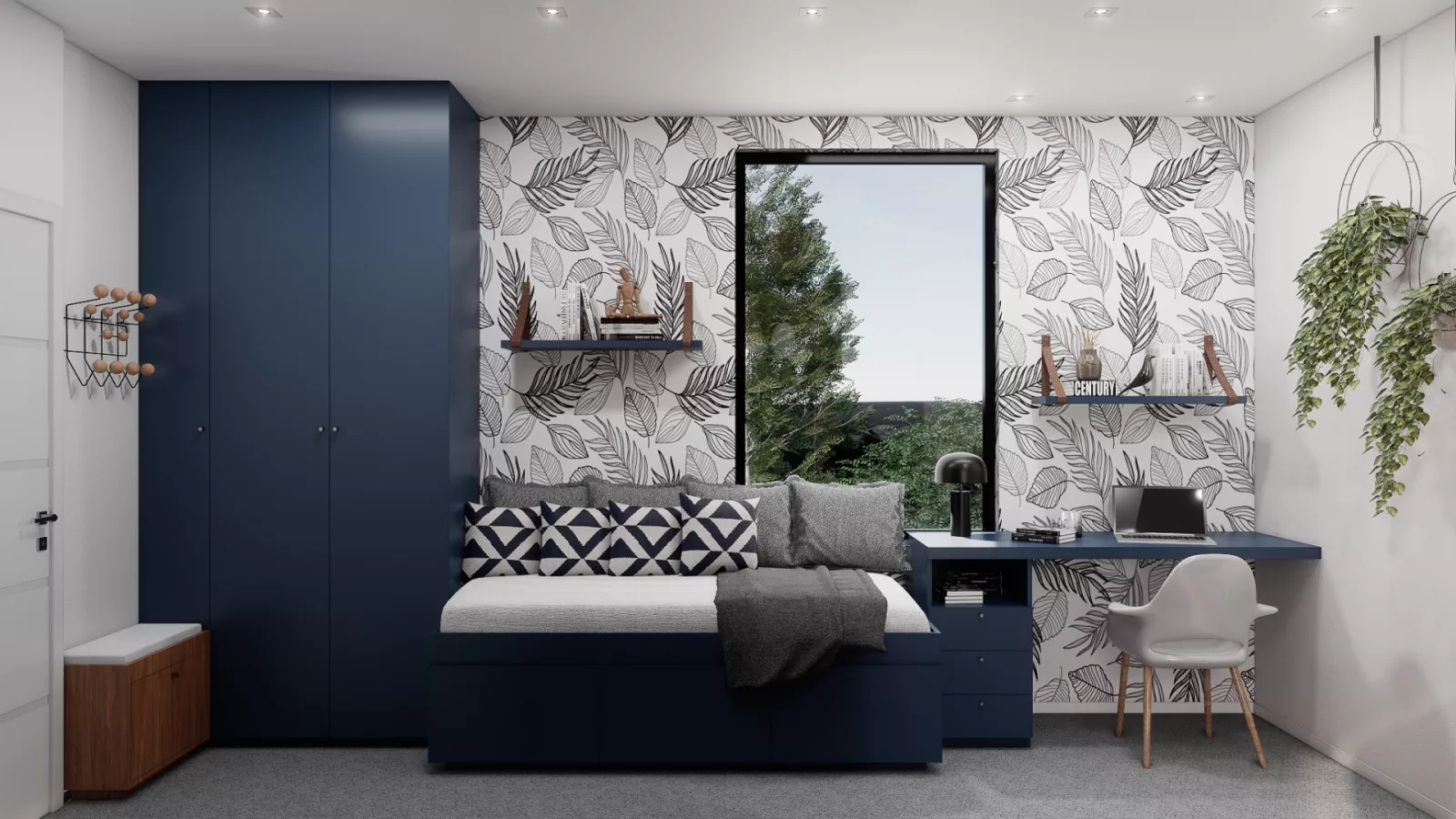
Children often feel a move the most. Let them choose a colour, a bedspread or a lamp, and set up their room first, before the living room is finished. Low, open storage helps them find their things. A familiar object from the old bedroom on the first night does more than any new toy.
Making it feel like home
A flat starts to feel like home when it holds your story. Unpack the photographs, books and objects you brought early, and give them a proper place instead of leaving them in a box in the cellar. A wall of family pictures, a shelf of things collected in previous postings, the rug from the last house: these make a new space familiar. We wrote more about bringing sentimental pieces into your decor.
Light matters just as much. Combine the ceiling light with table and floor lamps in warm tones, and the first winter evenings will feel calmer. Our room-by-room lighting guide has the details, and our neuroarchitecture-based approach explains why rest starts with the space around you.
Frequently asked questions
Can you start before we arrive in Switzerland?
Yes. With a floor plan, measurements and photos, we prepare the layout and the 3D views remotely, then organise deliveries for when you have the keys.
Is a designer worth it for a rented flat?
Often, yes, because the work focuses on what you keep: furniture, lighting, textiles and art. A clear plan also stops you buying twice. You can get an idea of our fees with the online estimate.
Should we ship our furniture or buy new?
It depends on the piece and the new floor plan. Ship what you love and what will fit, such as beds, a good table, art and rugs. Buy locally what depends on the space, such as sofas and storage. Measure before you decide.
Just arrived, or about to? Have a look at the Pic Pic apartment in Geneva, try our free fee estimate or tell us about your new home.