Feeling Good at Home: Rituals, Sofa and Sound in a 2026 Swiss Survey
Arrival ritual, sofa, bedroom, the sound of home: what a 2026 survey of Swiss households reveals about well-being at home, read by an interior architect.
 Renata Koglin · RK Interiors
· 5 min read
Close the door, take off your shoes, sink into your usual spot on the sofa. These gestures seem ordinary, yet they say a lot about what a home should offer. A 2026 survey of 2,410 people in Switzerland measured them one by one. After our article on storage, here is the second part: what makes us feel good at home, and how interior architecture can strengthen it.
Home as a refuge
95% of respondents enjoy being at home. For many, stepping through the door means leaving the pace and stress of the day behind. And this well-being depends on very concrete things: for 78% of people, order or clutter strongly influences how they feel at home.
This is exactly the field of neuroarchitecture: understanding how light, materials, sound and the organisation of a space affect our mood, then designing accordingly.
The arrival ritual: leaving the outside at the door
When they get home, 92% of people take off their shoes, 62% put their keys in their place, 54% change clothes and 52% wash their hands. In large cities, that last gesture concerns three people in four. The outside world does not cross the threshold. Only 6% deliberately put their phone away to disconnect.
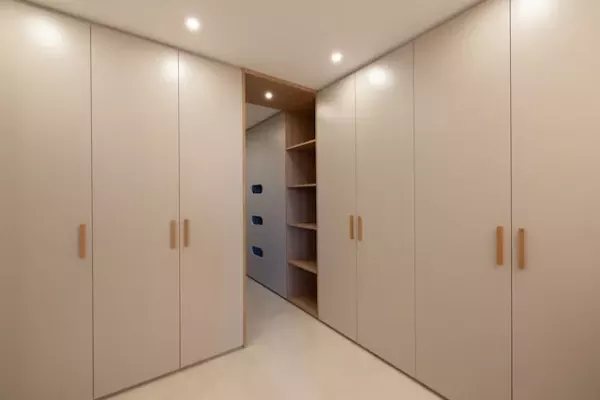
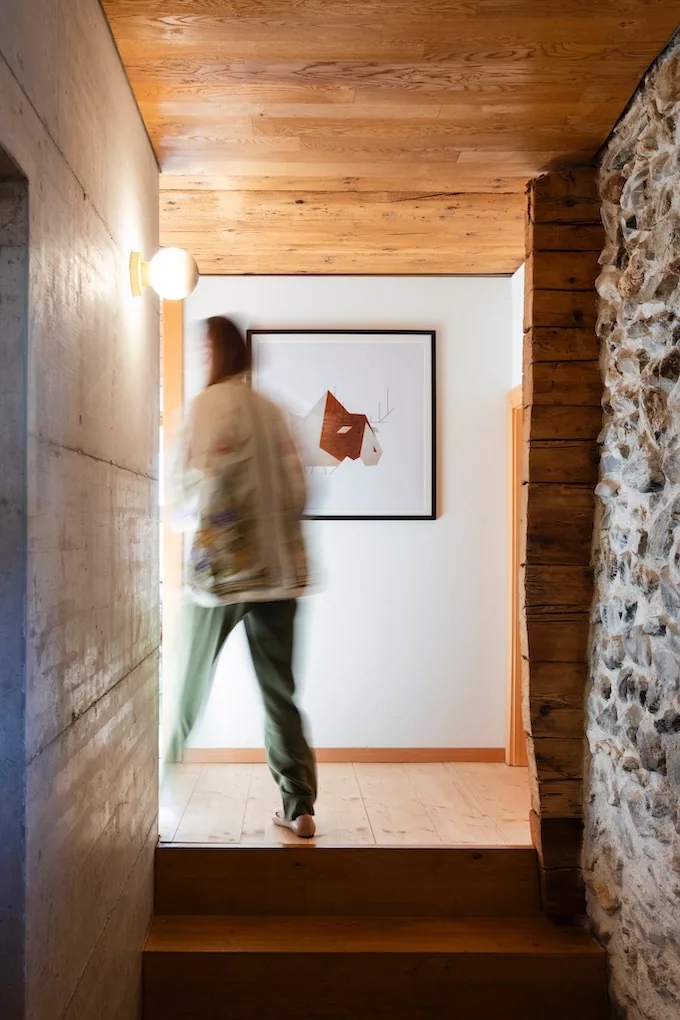
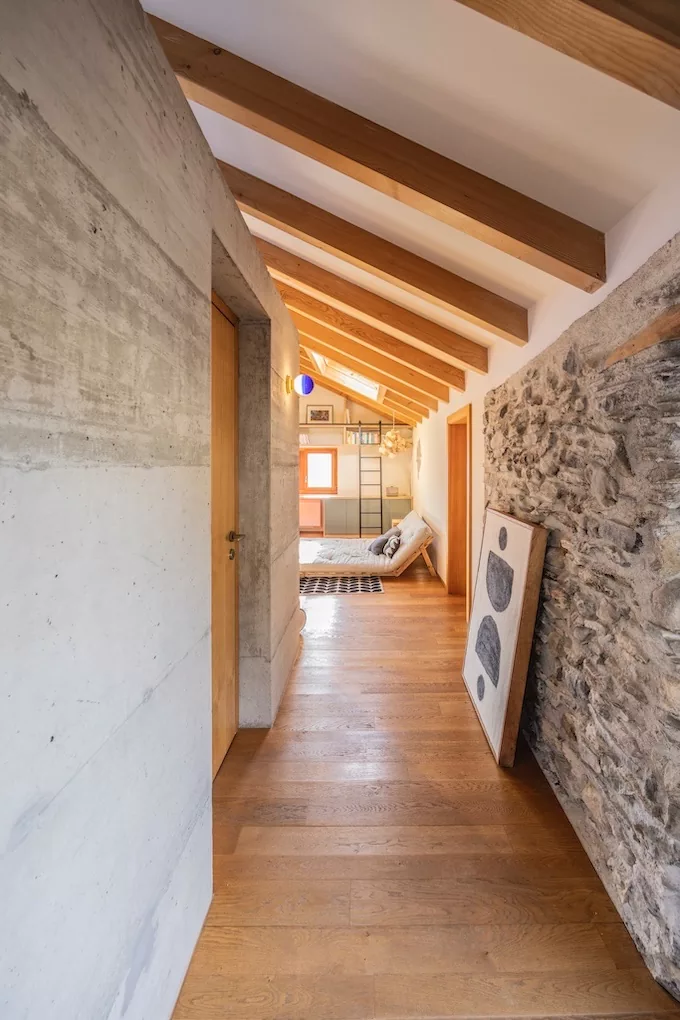
The entrance can support this transition. A bench and closed shoe storage, a wardrobe for “outdoor” clothes, a washbasin nearby when the layout allows, and a charging station in the entrance rather than the living room: the phone stays at the door, and the evening truly begins.
The sofa, the heart of the home
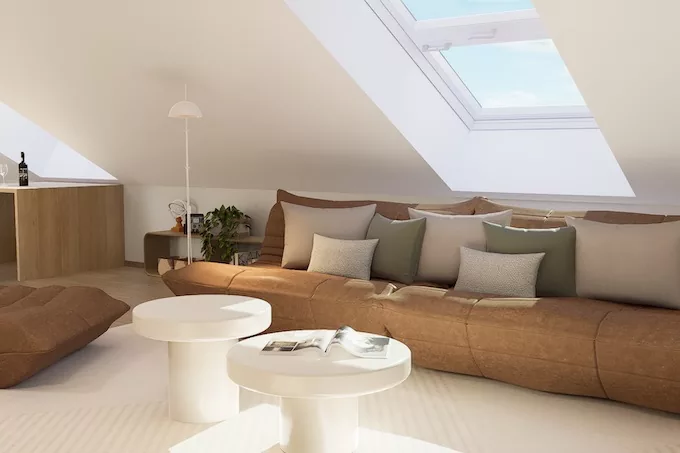
For 80% of people, the sofa is where they relax and spend the most time, far ahead of the balcony (40%), the garden (30%) or the bed (25%). It is so welcoming that one person in four falls asleep on it unintentionally at least once a week, as do a third of over-55s.
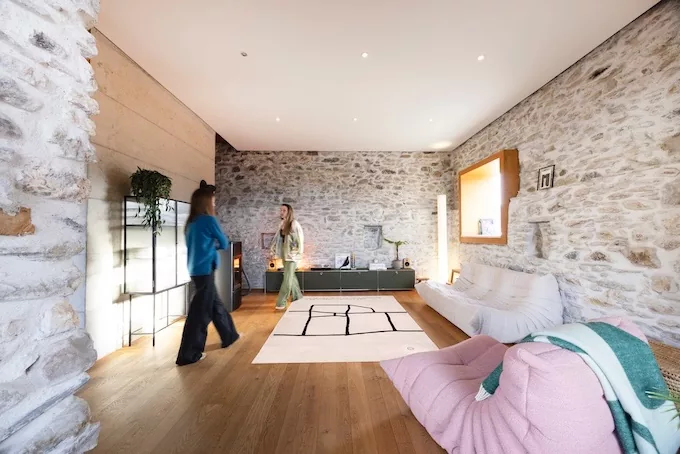
So it deserves careful thought: facing the light or the view, with its back protected rather than in the middle of a passage, a deep enough seat, a side lamp for the evening, a table within reach and soft textiles. These details turn a well-furnished living room into one where you feel good.
Renata Koglin introduces RK Interiors and her vision: homes designed for the well-being of the people who live in them.
Outdoors, you are at home too
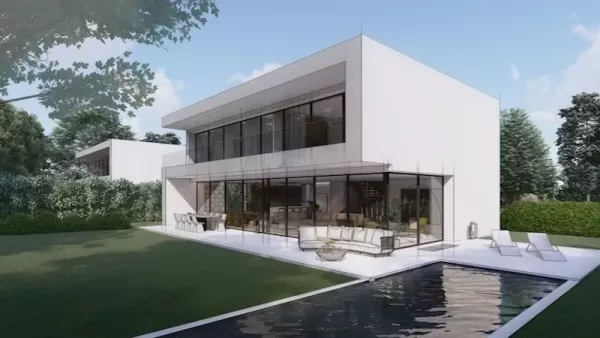
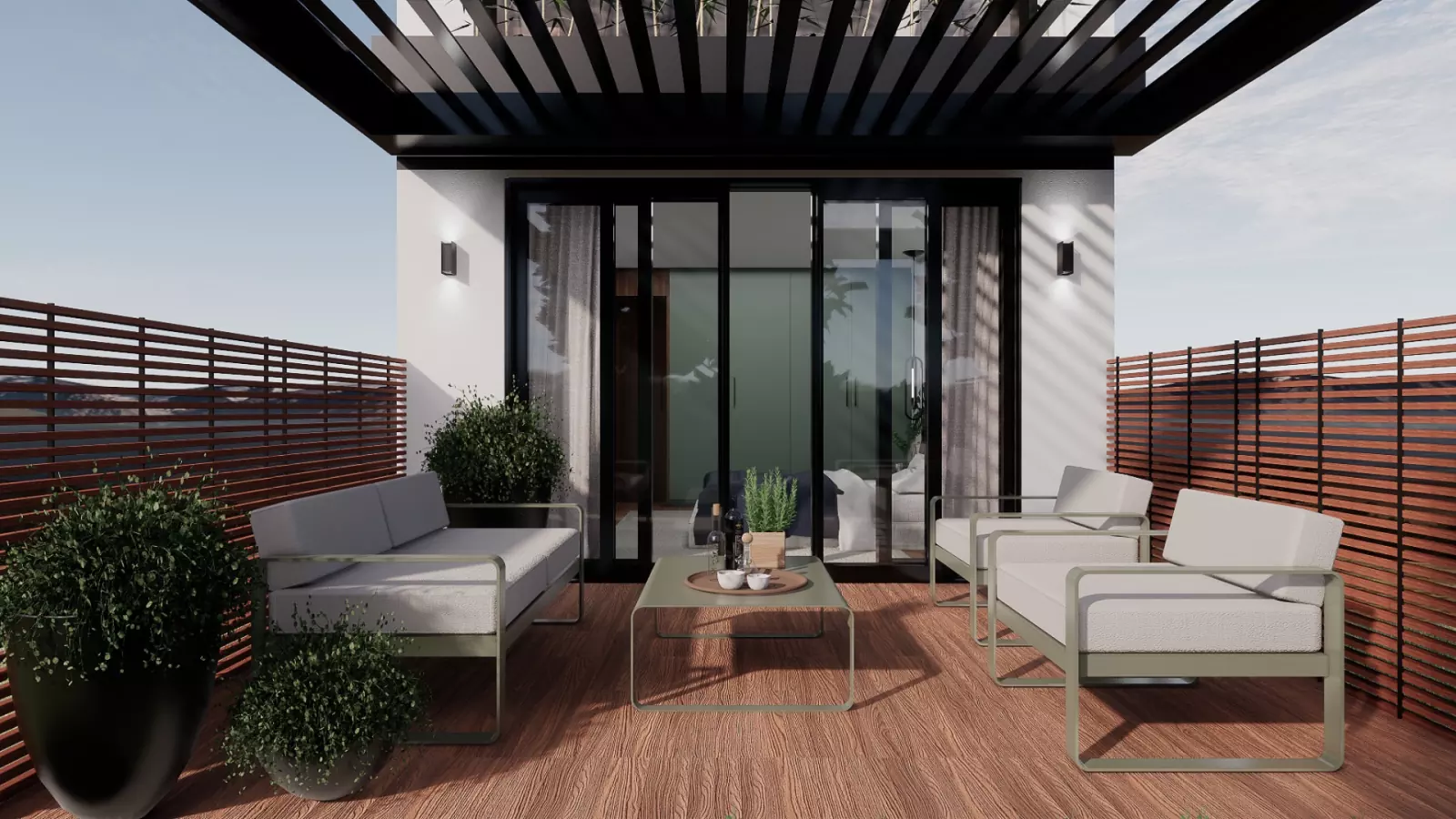
Balconies, terraces and gardens come right after the sofa among favourite places to relax. An outdoor space should be designed as a room in its own right: a pleasant floor, comfortable furniture, shade, plants and soft lighting to enjoy it in the evening. Materials and colours that echo the interior extend the feeling of space.
The bedroom, a boundary to respect
For many people, the real break does not happen at the front door but at the edge of the bed. Only one person in ten regularly sits or lies on their bed in street clothes, and for nearly six in ten it is out of the question. Younger people are more relaxed: a quarter of 18 to 35-year-olds do it regularly.
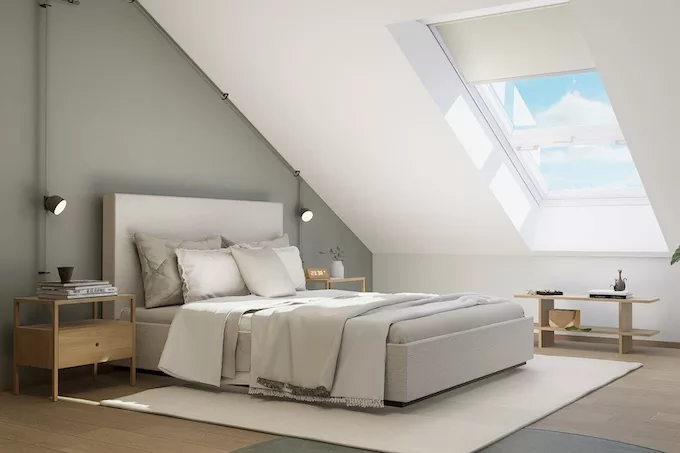
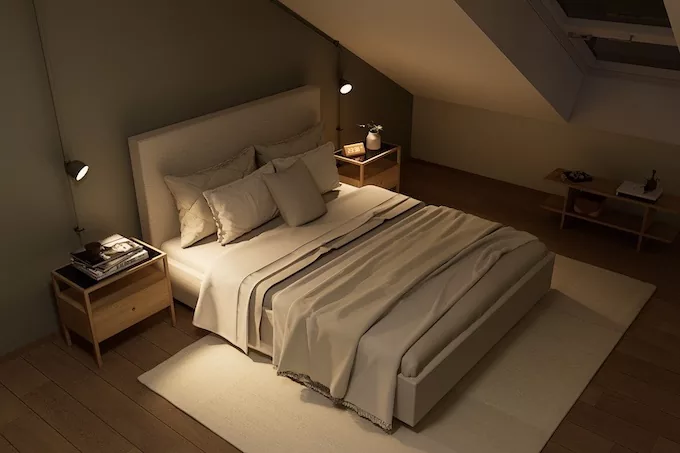
This boundary says one thing: the bedroom is a sanctuary. We design it as such, with warm, gradual lighting that follows the rhythm of the day, soft materials, good blackout, few objects in view and storage planned for clothes already worn, so the famous chair does not settle at the foot of the bed.
The sound of home
Calm, yes, but not necessarily silence: only 27% of people prefer complete silence. The others like some background sound: music (39%), radio (34%), television (29%) or podcasts (15%). In French-speaking Switzerland, music comes first (44%), television second (36%), and only one person in five seeks complete silence.
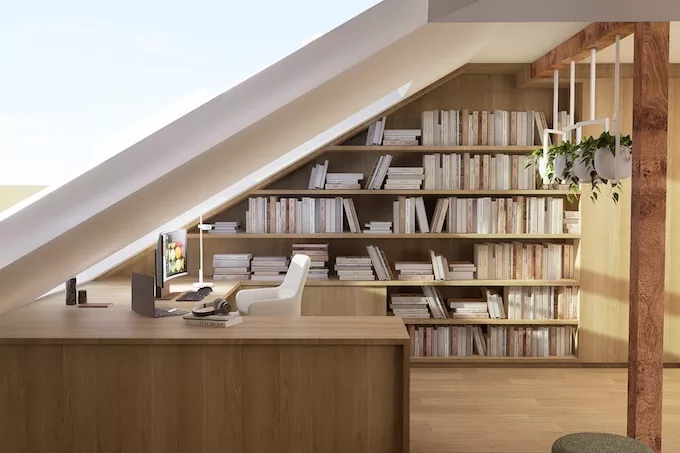
Acoustic comfort is designed from the start. Rugs, heavy curtains, bookcases and wooden panels absorb noise, built-in speakers play music without clutter, and a few quiet corners, an office or a reading nook, let everyone choose their atmosphere. As for the television, a piece of furniture that integrates it is better than a screen that dominates the room.
Leaving with peace of mind
Leaving has its ritual too: 93% lock the door, 85% turn off all the lights, 36% check the weather and nearly one person in five checks the stove. A “leaving” lighting scene that switches everything off in one gesture and storage by the door for umbrellas and seasonal jackets, and a home goes to sleep as easily as it wakes up.
What we take from it for your projects
- Take care of the entrance, the first and last place of the day.
- Place the sofa with intention: light, view, protection, comfort.
- Make the bedroom a sanctuary, calm and free of everyday objects.
- Think about acoustics as much as aesthetics.
- Adapt light to the rhythm of the day, from morning to evening.
Frequently asked questions
How can I make a living room more calming?
Start with light and the position of the sofa, then reduce the objects in view and add natural textiles. Ambient lighting from several points, rather than a single ceiling light, already makes a big difference. Our interior decoration service can guide you room by room.
Can acoustics be improved without renovation work?
Largely, yes: rugs, curtains, cushions, full bookcases and wooden furniture absorb a good share of noise. To go further, acoustic panels or custom furniture can be built into the project.
What does neuroarchitecture bring in practice?
It draws on how our brain perceives space to choose light, colours, materials and the layout of rooms. The goal is simple: a home that helps you rest, focus and reconnect. Discover our approach.
How do I start a project with RK Interiors?
Get an online estimate of our fees in two minutes, or write to us: Renata replies personally.
Source: survey of 2,410 people living in Switzerland, from 13 to 30 April 2026. Rounded figures.
Would you like a home that does you good? Discover our interior architecture service, read our article on storage and well-being or tell us about your project.